Solar activity
Solar wind, coronal holes, solar flares, and coronal mass ejections can increase geomagnetic activity and improve aurora chances.
Learn when, where, and how to watch the northern lights around Jasper National Park, how to photograph them, and how Jasper Journeys can become your future aurora alert hub.
Auroras happen when charged particles from the Sun interact with Earth’s magnetic field and upper atmosphere, creating glowing curtains, arcs, rays, and sometimes pulsing colours.
Solar wind, coronal holes, solar flares, and coronal mass ejections can increase geomagnetic activity and improve aurora chances.
The Kp index is a common global scale used to describe geomagnetic activity. Higher Kp generally means the aurora can be seen farther south.
Even during strong solar activity, clouds, bright moonlight, smoke, fog, and town lights can reduce visibility.
Choose legal, safe, open areas with dark skies and room to park fully off the road. Do not stop in traffic lanes, block wildlife, or crowd animals at night.
Close to town with iconic mountain scenery. Good for reflections when conditions are calm, but it can attract crowds.
Another close-to-town lake option with darker viewing areas than downtown and strong night-photo potential.
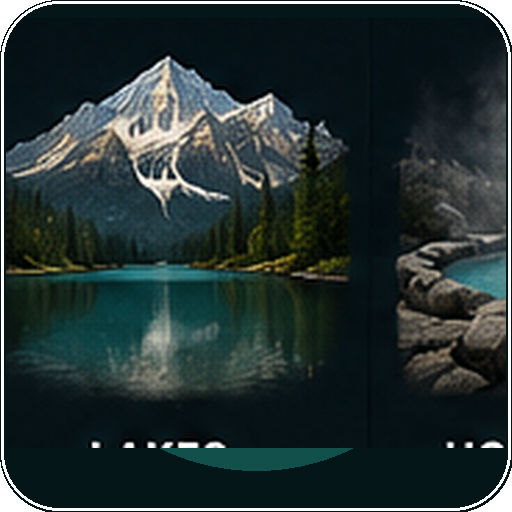
Good easy-access options, especially for visitors who want a simpler night outing without a long drive.
Darker skies and dramatic landscapes, but drive carefully and check road, wildlife, and weather conditions first.
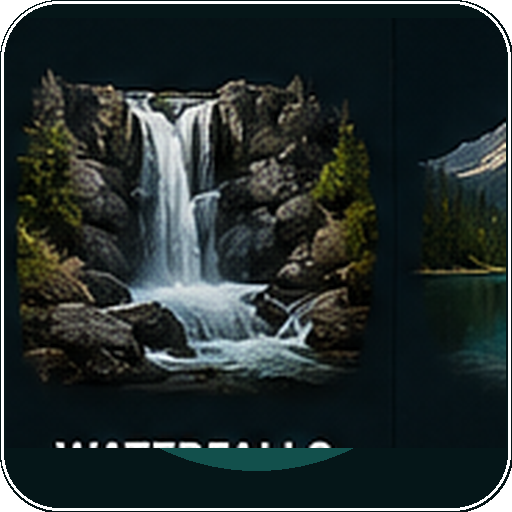
Potentially darker sky areas south of town. Use only safe legal pullouts and check Alberta 511/Parks Canada conditions.
A great paid experience for learning about the sky, telescopes, stars, planets, and night-sky conditions.
For now, this page links to official and reputable space-weather tools. Later, Jasper Journeys can summarize them into a simple local aurora score.
This page is designed so it can eventually become a real email, SMS, or subscriber alert system powered by forecast data and AI summaries.
Prototype signup form. Later, this can connect to MailerLite, ConvertKit, Brevo, Mailchimp, or a custom AI alert system.
This demo form is not connected yet. Future version: trigger alerts when space weather, local sky clarity, moonlight, smoke, and visitor timing line up.
Use AI agents to check multiple signals and produce a visitor-friendly score.
Most phones can capture aurora during strong displays, but a tripod and manual settings will make the biggest difference.
Night-sky chasing should never put people, wildlife, or the park at risk.
Use legal pullouts and parking areas. Do not stop in traffic lanes or block roads for a photo.
Drive slowly, scan shoulders, and never approach animals for a night photo.
Aurora watching means standing still at night. Bring winter layers, gloves, toque, and warm footwear.
Red lights help preserve night vision and are friendlier to other stargazers and photographers.
Cell coverage can be limited. Share your location and expected return time.
Do not enter closed roads, closed trails, restoration zones, or fire-recovery areas.
The aurora page can become a high-value seasonal traffic and subscriber page.